

 Facebook
 X
X
 Pinterest
 Copy Link
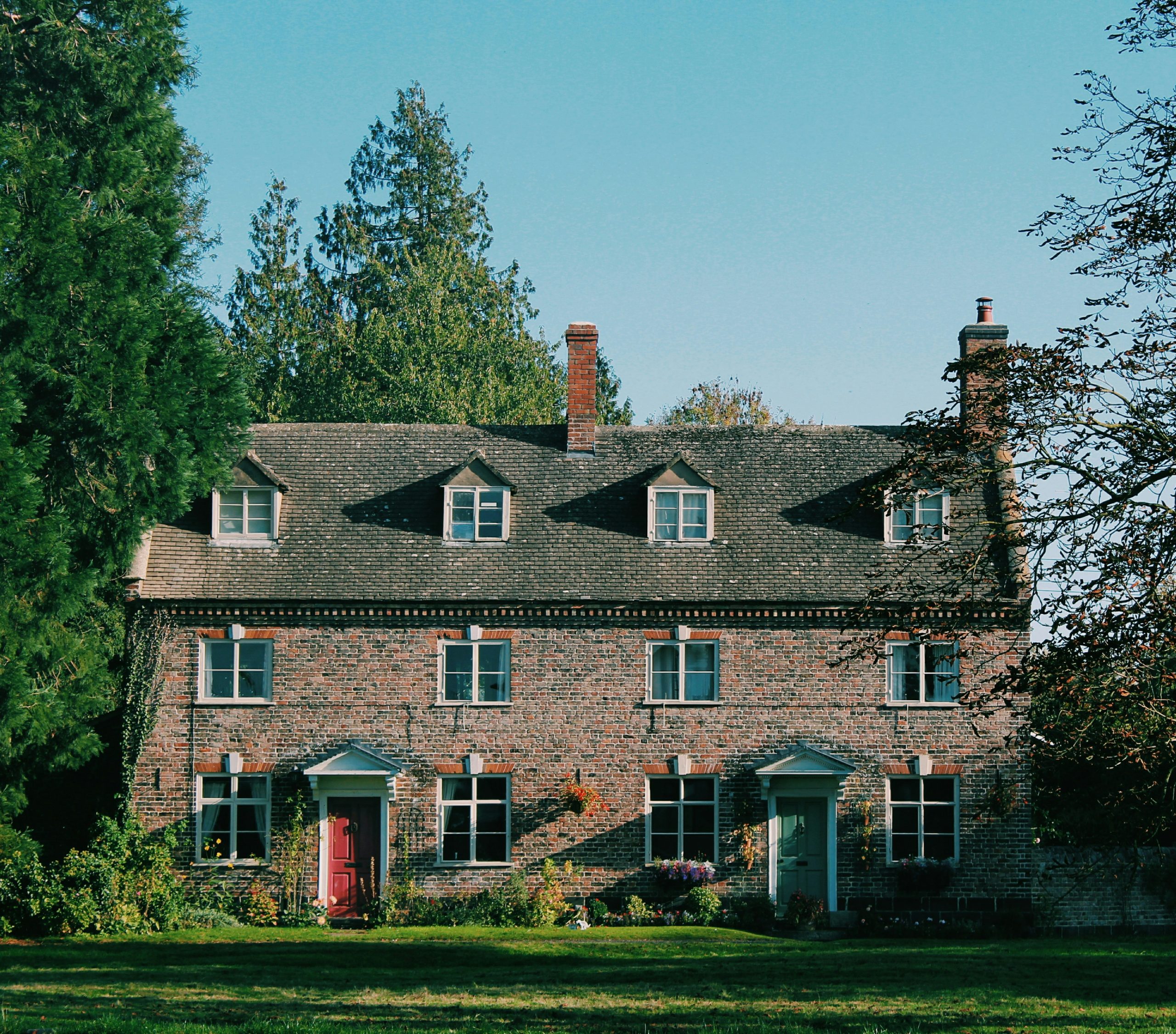 Have you ever wondered what it actually means when a home or property is listed on the National Register of Historic Places? For many homeowners, the answer may be different than you think.
The National Register recognizes properties that have historical significance and contribute to the character and history of their communities. But being listed does not automatically mean a homeowner is prohibited from renovating, remodeling, or making changes to their property.
For privately owned homes, National Register listing generally does not place restrictions on what an owner can do when using private funds. The designation does not require owners to restore their property, open it to the public, or even maintain it beyond existing local requirements. However, additional review may apply if federal or state funding, permits, licenses, or approvals are involved. Certain local bylaws or ordinances may also reference historic designation.
There can also be financial benefits associated with historic properties. Certain income-producing properties may qualify for federal and Massachusetts historic rehabilitation tax credits when approved rehabilitation work meets specific requirements.
So, if you’re considering buying or selling a historic property, don’t assume that a National Register designation automatically means you can’t make changes to the home. The specific designation, local regulations, and proposed work all matter.
As with any property involving historic designation, it’s important to understand the rules that apply to that particular property before beginning a renovation or major project.
Source: Massachusetts Historical Commission, Secretary of the Commonwealth of Massachusetts.
